
In a 12-week trial, lifters who trained fasted gained the same muscle and strength as lifters who ate first. Fasted easy cardio changes fuel use, not fat loss. Eating first earns its keep in long sessions. Total daily protein — about 1.6 g/kg — decides the rest; the breakfast window doesn't.
01Does lifting fasted cost you muscle or strength?
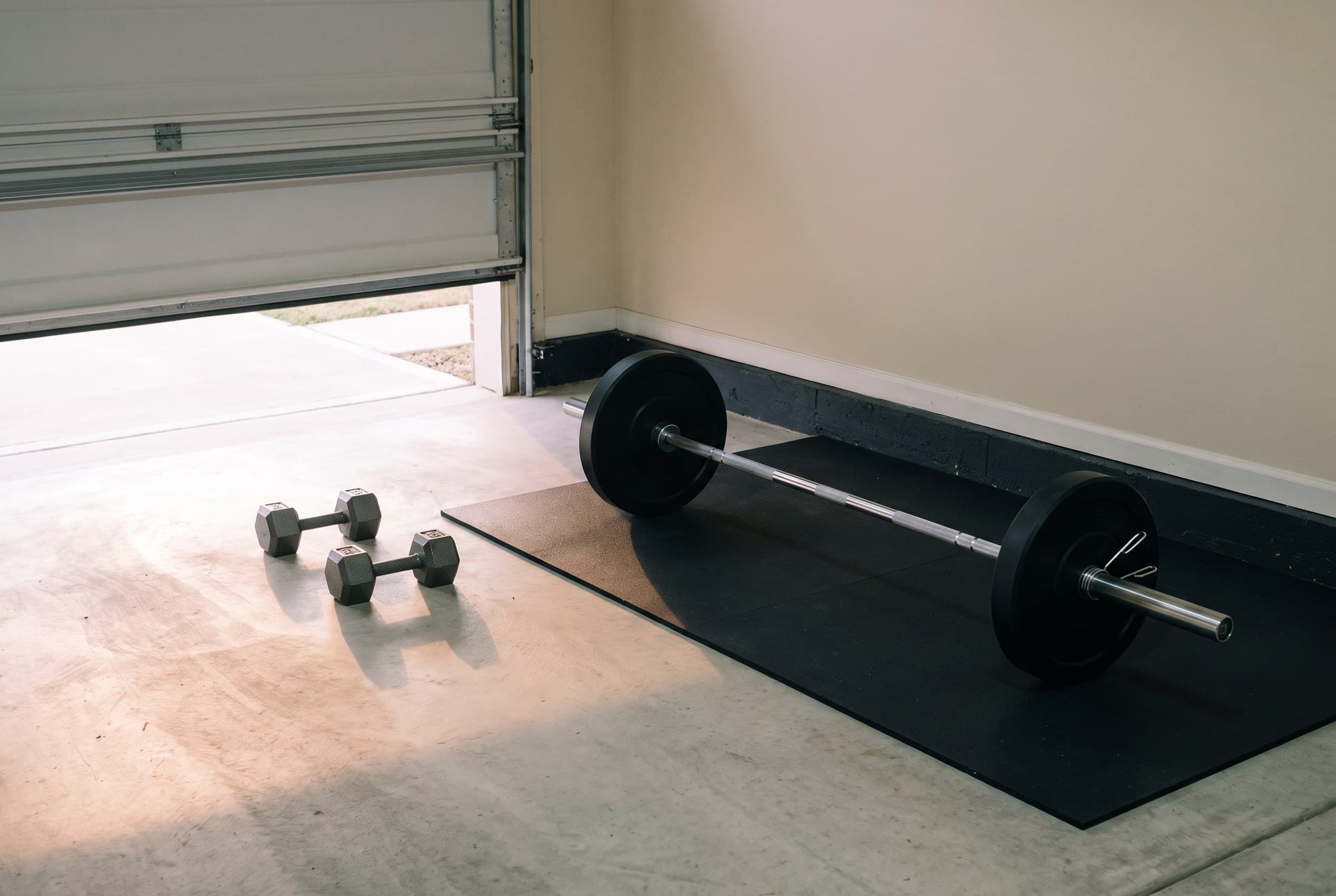
12 weeks of fasted lifting produced the same muscle and strength as fed lifting [1] — your pre-breakfast dumbbell session is safe.
The direct experiment has been run. In a 12-week randomized trial, 28 young adults lifted twice a week either after an overnight fast or 1–2 hours after a carbohydrate-rich meal, with calories matched between groups [1]. Quadriceps thickness grew 1.21 cm in the fasted group and 1.18 cm in the fed group — statistically the same. Strength told the same story: bench press and knee-extension gains showed no reliable difference either way [1].
So the thing the 5:30 a.m. lifter worries about most — burning muscle for breakfast — doesn't show up in the trial built to find it. Your body carries hours of stored carbohydrate and a lifetime of stored fat; a 40-minute dumbbell session doesn't run the tank dry.
02Does fasted cardio burn more fat?
Fasted cardio burns more fat during the hour and the same fat over the month — on matched deficits, both groups lost equal weight and fat [2].
It burns more fat during the hour — and the same fat over the month. Fasted exercise shifts fuel use toward fat while you're moving, and a meta-analysis of 46 studies confirms the machinery is real: fasted sessions raise post-exercise free fatty acids and change how muscle handles fuel [3]. But bodies keep a ledger, not a diary.
When researchers put 20 women on matched calorie deficits for 4 weeks — half doing their cardio fasted, half fed — both groups lost weight and fat, with no difference between them [2].
Train before breakfast because it's the slot the house allows — not because the empty stomach is doing extra work. The deficit does the work. The maintenance-calories breakdown covers finding that number without an app.
By signing up you agree to receive our emails, including occasional offers, and to the privacy policy.
03When does eating first actually win?
Eating first improves output in prolonged aerobic work, while shorter sessions show no cost either way — length and intensity set the rule, not virtue [3].
The same 46-study meta-analysis found the one clear performance case: eating before prolonged aerobic exercise improved performance, while shorter work was unaffected [3]. Translate that to a garage schedule and the rule is about length and intensity, not virtue.
One honest asterisk: a fasted session you cut short because you felt flat beats nothing, but it doesn't beat the same session fueled. If your intervals keep dying at rep 6, the experiment worth running costs a banana.
04What should you actually do at 5:30 a.m.?
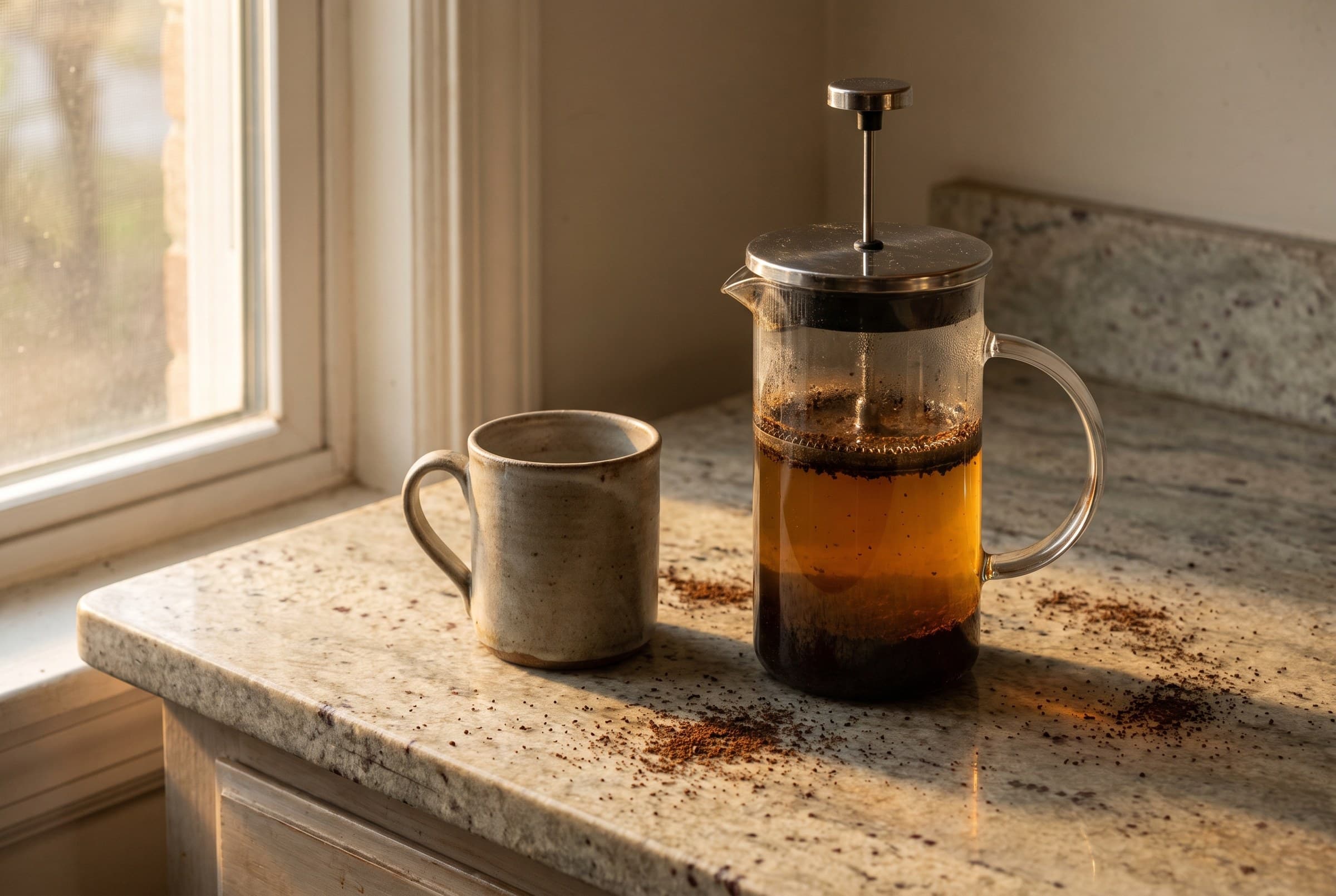
Train fasted if it feels fine, add roughly 100 calories if it doesn't, and hit about 1.6 g/kg of protein across the day [5].
Skip the dogma in both directions. A meta-analysis of protein timing found that once total daily protein was accounted for, the fabled pre- and post-workout window stopped mattering — total intake was the strongest predictor of results, not the clock [4]. And the total that matters is about 1.6 g/kg of body weight per day, the point where a 49-trial meta-analysis (1,863 lifters) found muscle-gain benefits plateau [5].
So the pragmatic middle: if training truly fasted feels fine, it is fine. If it doesn't, a scoop of whey in water or a glass of milk on the way to the garage settles the argument for about 100 calories — and either way, breakfast afterward starts you toward the day's protein total. The protein-math breakdown splits that total across meals you'll actually eat, and the rest of the nutrition breakdowns hold the same line: totals first, timing later.
Will training fasted make me lose muscle?
Is black coffee OK before a fasted session?
Do I need protein immediately after a fasted workout?
General-audience information — not medical advice. How we source and verify. No affiliate links in this breakdown. Last updated 2026-09-05.
Protein math for people who cook twice a week
The daily target, split across meals you'll actually eat. Plain numbers, no powder required.
4 min · September 5, 2026NutritionMaintenance calories without an app
Two honest ways to find the number — a formula you can do on paper, and a bathroom scale that outranks it. No wearable required.
5 min · September 5, 2026