
Losing fat and building muscle at once — recomposition — is documented, including in trained lifters. The math: a modest calorie deficit (under ~500 kcal/day; bigger, and average lean gains hit zero), protein from 1.6 toward 2.4 g/kg/day, and progressive lifting. It favors newer lifters and higher starting body fat; lean veterans usually do better picking one goal per season.
01Can you really lose fat and build muscle at the same time?
Recomp is real and shows up in trained lifters too [1] — the fastest gains go to new lifters, people with more fat to lose, and comebacks.
Yes — it has a name, body recomposition, and a documented trail. The folk rule says it's reserved for beginners and people with a lot of fat to lose. A review of the trial literature found the phenomenon in resistance-trained individuals too [1] — the dogma undersells it.
That review names two levers doing the lifting: progressive resistance training and a deliberate nutrition strategy [1]. It also explains why the easy cases are easy — training age and the novelty of a new program drive how fast muscle accrues [1]. Newer lifters and people carrying more body fat get the friendliest math; by the same novelty logic, so may people restarting after a long layoff.
02How big a calorie deficit still lets you build muscle?
Stay under ~500 kcal/day — past that line the average lean gain hits zero, though strength holds up [2].
There's a budget line, and a meta-analysis drew it. Pooling trials of people lifting weights in a calorie deficit, lean-mass gains were measurably impaired versus lifting without one — while strength gains came out statistically comparable [2]. The deficit taxes size before it taxes strength.
The slope matters as much as the line: the deeper the deficit, the less lean mass arrives, and around 500 calories a day the expected gain reaches zero [2]. So the recomp play is a modest deficit — enough to move fat, small enough to leave the building budget intact. Even if the goal is only keeping muscle while cutting, the same analysis says stay under the 500 line [2].
By signing up you agree to receive our emails, including occasional offers, and to the privacy policy.
03How much protein does recomp take?
In a deep cut, 2.4 g/kg/day of protein beat 1.2 — more lean mass gained and more fat lost [3].
The sharpest demonstration stacked every lever at once: 40 young men, 4 weeks, a hard ~40% energy deficit, training 6 days a week, protein set at either 1.2 or 2.4 g/kg/day [3]. The high-protein group gained 1.2 kg of lean mass while losing 4.8 kg of fat. The low-protein group held lean mass roughly level and lost less fat [3].
Two honest caveats. That was a supervised, all-in protocol — six training days a week in a deep deficit is a short season, not a lifestyle. And the trial tested the extremes, 1.2 against 2.4, never the middle. Outside a deficit, measurable gains plateau near 1.6 g/kg/day [4] — the number the protein-math breakdown is built on. In a deficit, the honest read: run at least the everyday target, with a documented case for more. The evidence between those points is thin, so we say thin.
04Should lean, experienced lifters try to recomp?
Lean and years-deep, the recomp math turns against you — one goal per season is the cleaner play.
The math narrows as you advance. Trained-lifter recomp cases exist in the literature [1], but the averages lean the other way: deficits tax lean gains [2], accrual slows with training age [1], and — plain physiology — a lean body carries less stored fuel to fund the build. Years-deep and already lean, the cleaner play is seasonal: a modest surplus to build, a modest deficit to cut, one goal at a time.
The consolation is documented: strength gains hold up in a deficit [2]. A cutting season doesn't erase the training inside it — the bar can keep moving while the fat leaves.
05What does the recomp recipe look like in practice?
Small deficit, protein at 1.6–2.4 g/kg/day, lifting that progresses — then judge by tape and photos, not the scale.
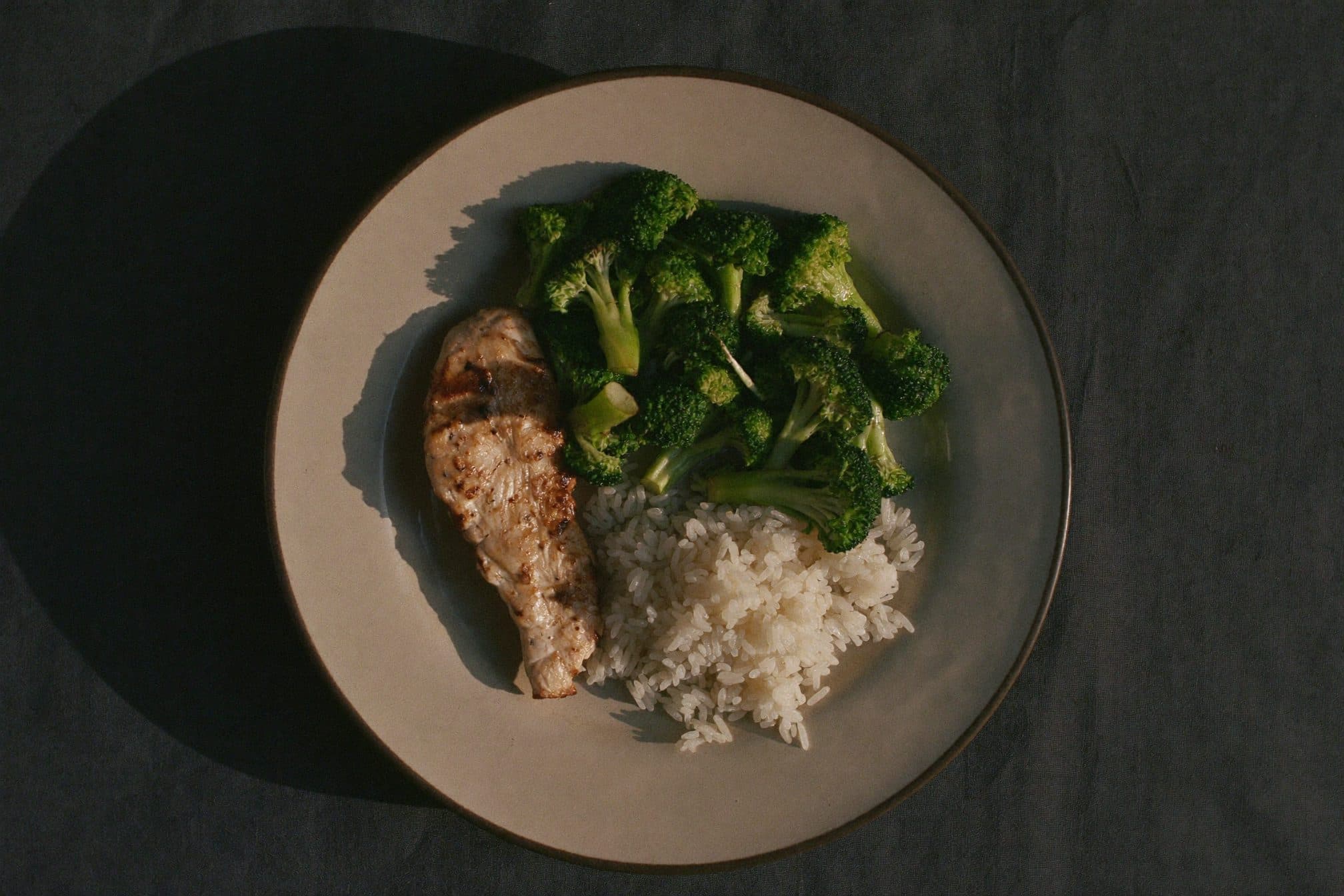
Three dials, none exotic. Eat a little under maintenance — stay inside the 500-calorie line [2]. Keep protein at or above the everyday 1.6 g/kg target [4], climbing toward the trial-tested 2.4 when the deficit runs deep [3]. Lift on a plan that progresses — the `20`-minute dumbbell template with double progression qualifies. The review's supporting cast, sleep included [1], is the recovery hierarchy's home turf.
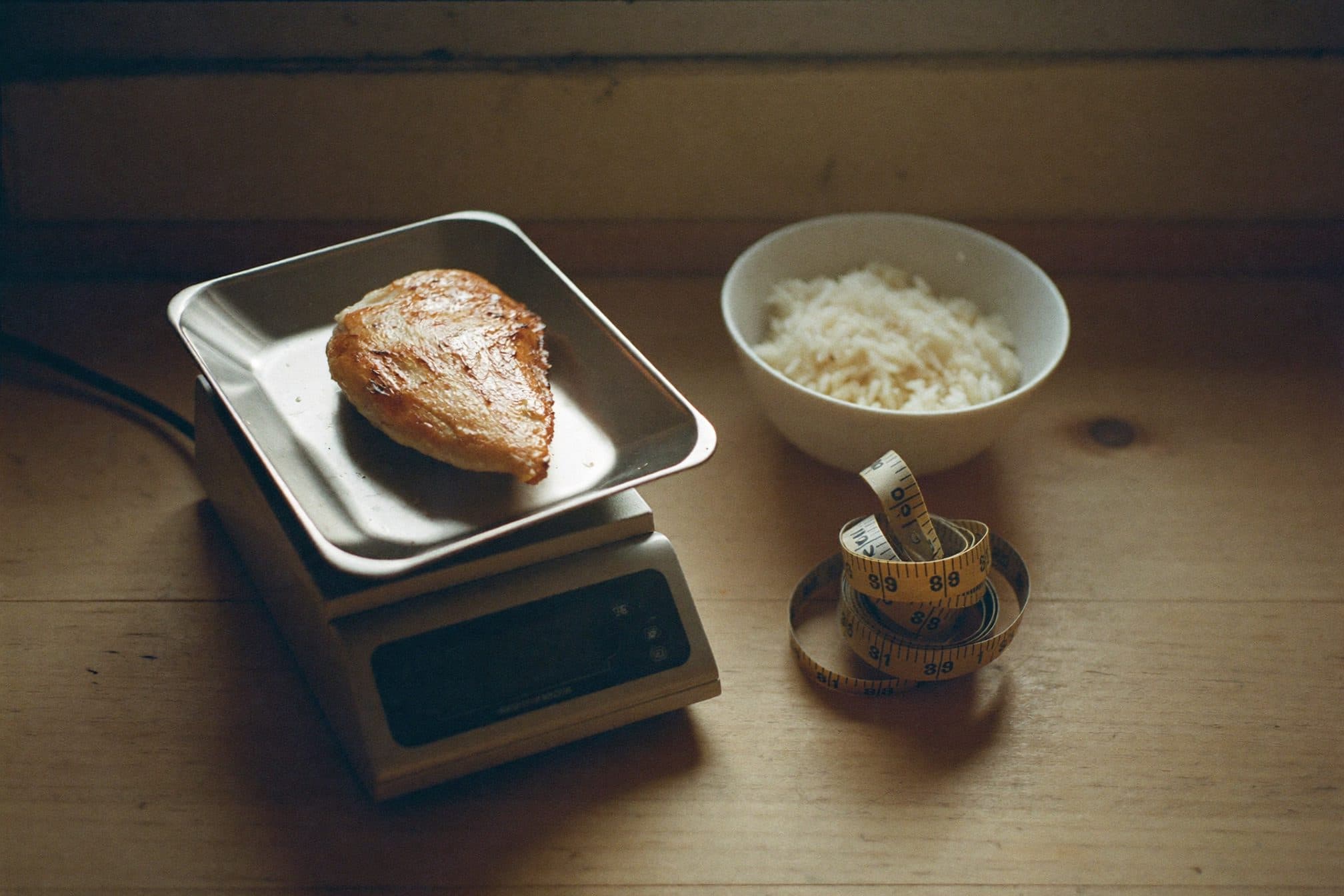
Then judge by tape and photos, not the scale — fat leaving and muscle arriving can cancel on paper while everything changes in the mirror. Weigh the week, not the birthday-cake Saturday at a full table.

Do I need a calorie surplus to build muscle?
Does cutting cost you strength?
I'm coming back after a long layoff — can I recomp?
General-audience information — not medical advice. How we source and verify. No affiliate links in this breakdown. Last updated 2026-09-05.
Protein math for people who cook twice a week
The daily target, split across meals you'll actually eat. Plain numbers, no powder required.
4 min · September 5, 2026Training20-minute dumbbell sessions that actually progress
Three moves, three days, one pair of dumbbells — and a progression rule that survives your worst week.
6 min · August 28, 2026